


Table of Contents
The more we dive deep into the world of horses, the more we explore the rare breeds. This Marwari horse is one such breed. If we look at some popular Indian horses, this one from the Jodhpur region stands out the most. Keeping horses is not a very easy task. One needs to figure out a lot about these species. Whether it is gelding horse process or just cleaning up your horses, taking care is always important for every single horse breed.
Most importantly, their breeds and the history behind these horses. Now, if you’re wondering where you can discover more about these horses, jump in. We will walk you through every little detail about this world of horses. From the white Marwari horse to the history behind the Rajput warriors, we will look into everything here. Hence, let’s ride further on this journey.
Marwari Horse
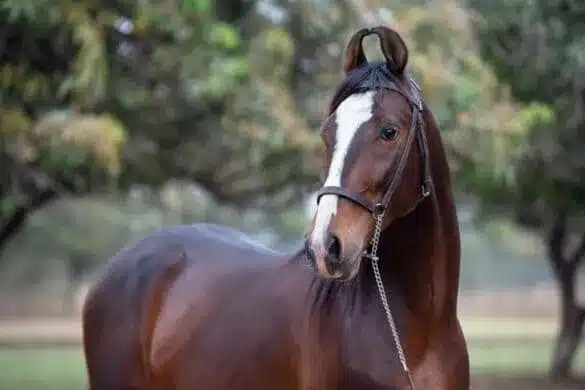
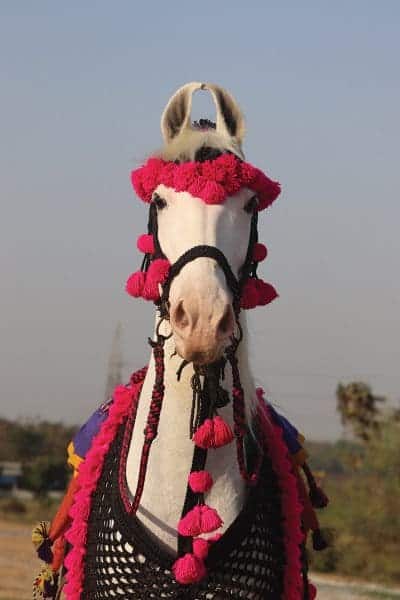
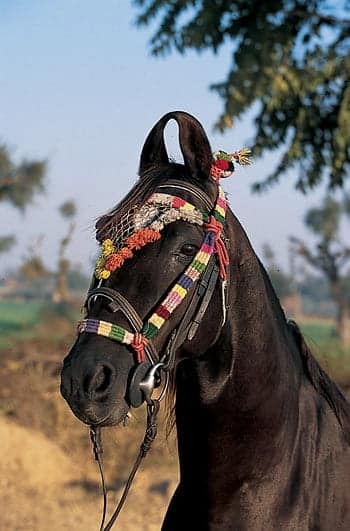
Originating in the Marwar district of India, the Marwari horse is a distinctive and rare breed. The most characteristic feature of this breed is its unusual inward-curving ears, which touch at the tips. Marwaris are exquisite, medium-sized flowers in various colors, including eye-catching black and white. Their adaptability is appreciated, as they frequently participate in polo matches, parades, and traditional events. Marwari horses are primarily found in India because of their historical value and scarcity; historically, the exportation of Marwari horses has been restricted by stringent rules. Organizations like the Indigenous Horse Society of India and the Marwari Horse Society supervise breeding operations to preserve the purity and traits of the breed. These initiatives guarantee the Marwari breed’s survival and perpetuation while highlighting its significance as a representation of equestrian nobility and cultural legacy. Let us go back into history to learn more about these horses.
A Quick Glance at the History of Marwari Horse
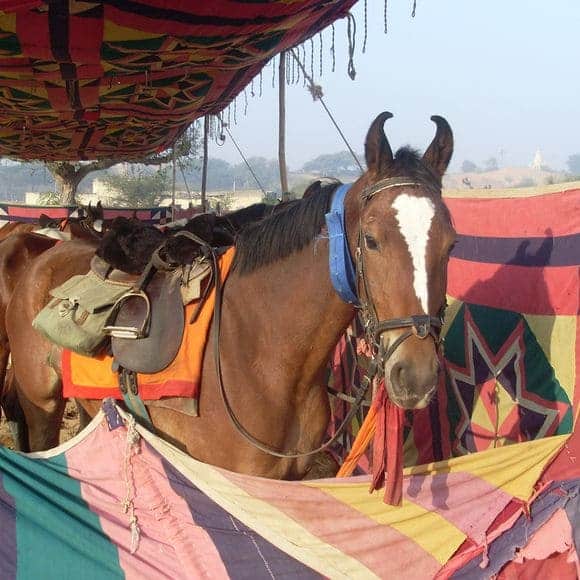
Originating in the Marwar area of India, the Marwari horse has a legend-filled and enduring past. This breed originated from mixing native horses with Arabian horses, purportedly from stranded Arabian ships, and was first raised by the Rathores in the 12th century. By the 16th century, Marwaris had become essential military horses due to their exceptional sense of direction and keen hearing. They were also skilled at surviving in the hostile desert environment. But in the 20th century, the British desire for Thoroughbreds and subpar breeding methods contributed to a fall in demand for Marwaris, which brought them dangerously close to extinction.
When Maharaja Umaid Singhji and his grandson pushed for their preservation, restoration operations were earnestly underway. This objective got international traction when Francesca Kelly established Marwari Bloodlines in 1995. As a result, Marwaris were sent to the United States, and India stopped exporting them in 2006. Reviving the Marwari’s legendary heritage, the Marwari Horse Society of India established a stud book and registration procedure in 2009, further solidifying the breed’s future.
The Marwari Breed Horse: Shape and Structure
Exceptional Ears and Graceful Head
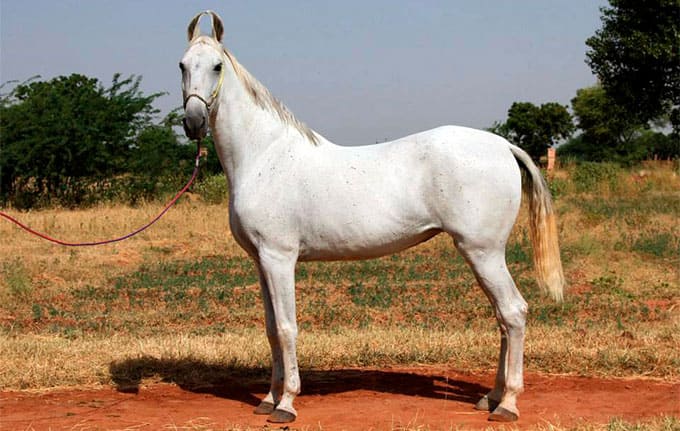
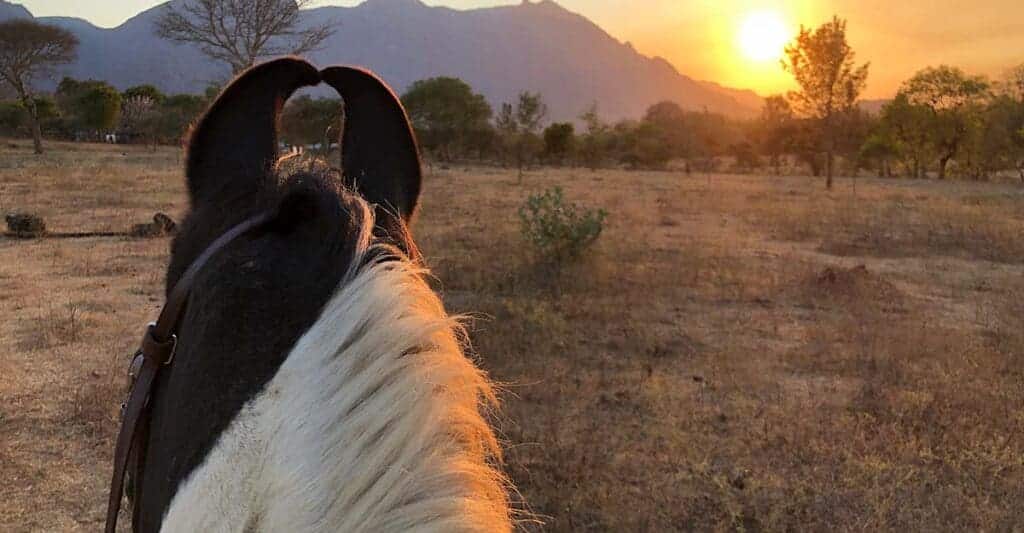
The distinctive feature of the Marwari breed, which originated in the Marwar region of India, is its curled ears connecting at the points. These ears, perched above a well-chiseled head with a flat to slightly convex profile, add to the horse’s aristocratic and vigilant appearance.
Strong Limbs and a Muscular Body
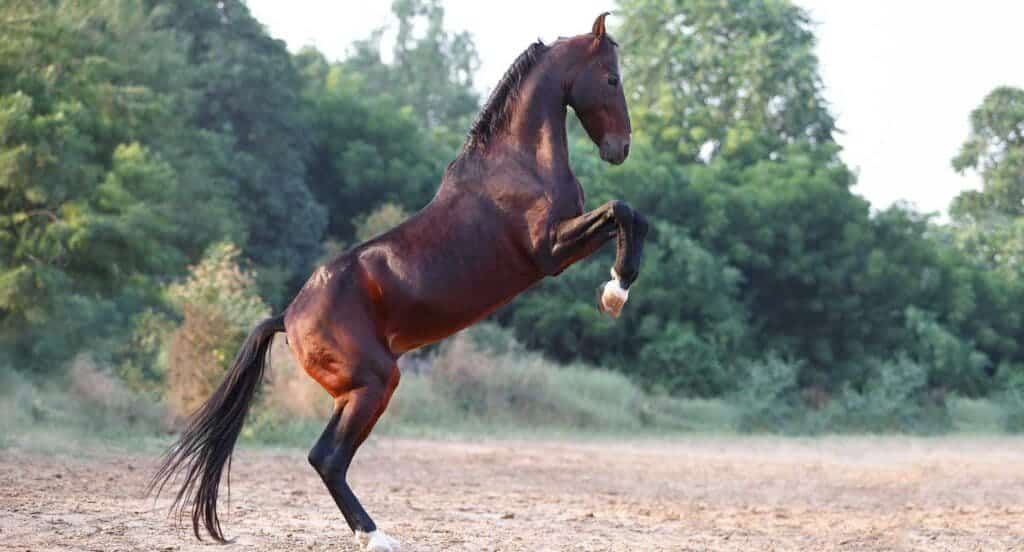
The Marwari is built for endurance. It features a deep barrel that leads to powerful quarters, a robust back, broad shoulders, and a high-set neck. Because of the breed’s heritage as a military horse, the legs are strong, have firm feet, and short, sloping pasterns. Due to its strong conformation, the Marwari can travel great distances in the arid climate.
Ideal Characteristics and Favorite Colors
The Marwari is almost 15 hands tall and has various colors, though grey is the most popular. White coats are not acceptable. Because of its physical characteristics and cultural significance, the breed is perfect for polo and riding, which reflects its rich Indian heritage.

Marwari Horse Breeding Standards and Uses
Breeding Standards
Geographic Concentration
The Marwari horse is a unique breed primarily found in India with a tiny population outside it.
Marwari horses are medium-sized and have a distinctive inward-curving ear shape. They come in many different colors, even basic tones like black and white.
Breeding
Often crossed with Thoroughbreds to increase stature and adaptability, resulting in a hybrid that keeps the Marwari’s flexibility while growing in stature.
Uses of Marwari Horse
Ceremonial Roles
Marwaris are favored for parades and ceremonial purposes because of their remarkable appearance and composed manner.
Equestrian Sports
They excel in sports like dressage and polo for their agility and endurance.
Versatility
Marwaris crossed with Thoroughbreds are more extensive and sportive, making them suitable for various riding requirements.
Conservation and Breeding Practices
Preservation Efforts
Breeders of Marwari horses play a critical role in upholding the breed’s standards and highlighting its distinctive domestic and international qualities.
In addition to serving as a beloved and adaptable breed in international equestrian circles, these standards and applications help guarantee that the Marwari will always be a symbol of cultural heritage.
What’s Unique About the Indian Horse: Colors & Markings
Variable Color Palette
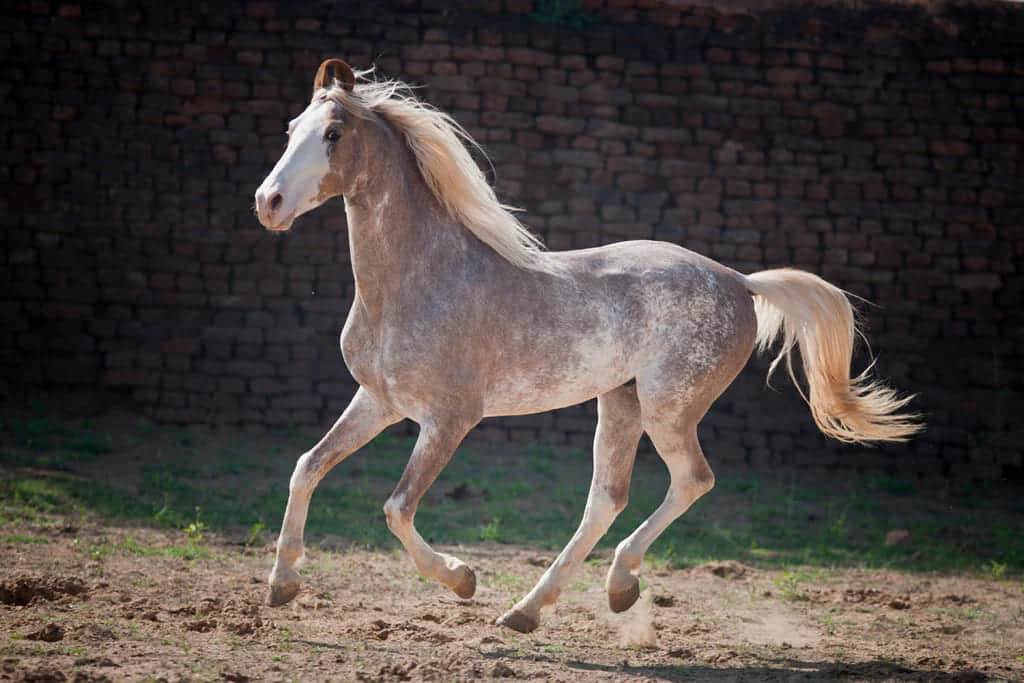
India’s Marwari horse breed is a medium-sized horse breed with a fantastic coat color range. These come in various colors, from classics like bay, chestnut, and grey to striking tones like palomino and even patterned coats like skewbald and piebald. Grey Marwari horses, especially the skewbald and piebald horses, are highly valued and have characteristic markings.
Fortunate Markings
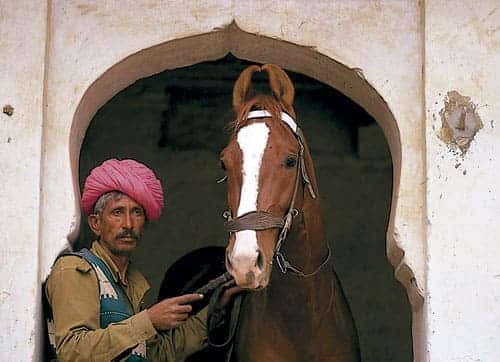
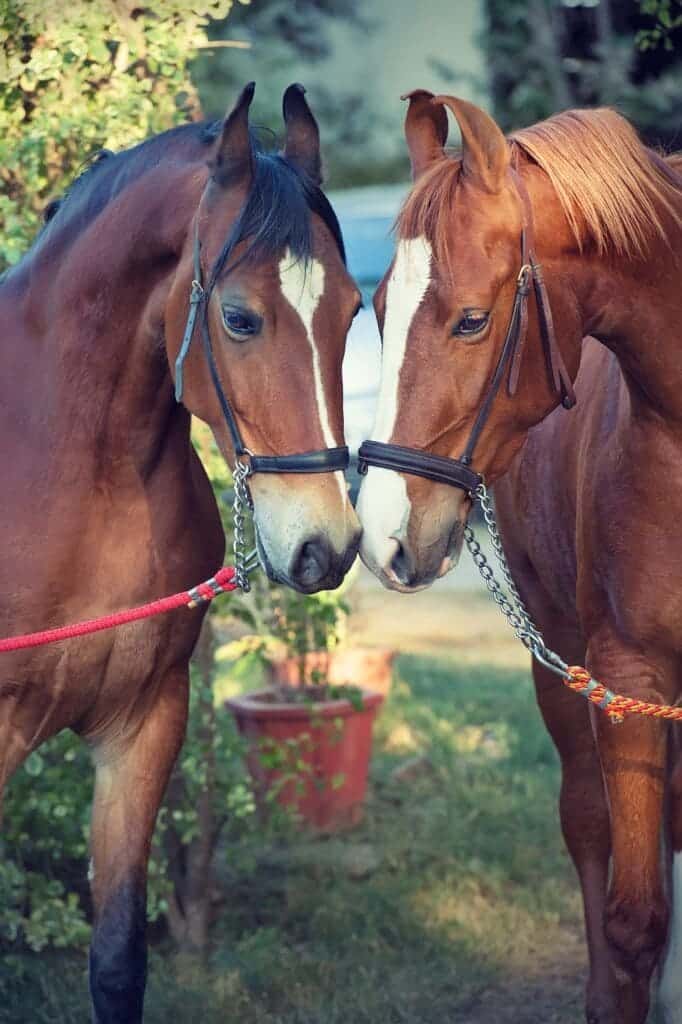
Marwari horses with particular markings, such as a white blaze on the face and four white socks, are much sought after and add to their attraction. These auspicious markings, which blend beauty and superstition, enhance the Marwari’s magical appeal.
Cultural Affects
Culturally, these horses are more desirable because of their color. For example, black Marwari horses are not as popular because they are associated with death and darkness. In the meantime, despite its magnificent beauty, a horse with a pure white coat is not considered a breed member. This illustrates the Marwari breed’s complex ideas regarding color and luck.
The Marwari is more than a horse; it symbolizes beauty and tradition in India because of its distinctive combination of color variability and cultural importance.
Final Thoughts
The Marwari horse, rich in cultural and historical value, is not only a breed but also a representation of India’s regal heritage. These hardy horses originated in the dry Marwar area in the twelfth century, and the Marwari breed has survived ever since, admired by Rajput soldiers and valued in many equestrian cultures. They are distinguished as a breed of extraordinary beauty and rarity by their distinctive inward-curving ears and remarkable hues, which range from the dignified black Marwari horse to the immaculate white Marwari horse. Marwari horse breeders have maintained strict breed standards via selective breeding, emphasizing traits that make these horses perfect for everything from ceremonial to polo ponies.
In conclusion, the Marwari Horse Society and related groups work to protect this endangered breed despite obstacles like limited exports, keeping it a crucial part of India’s rich horse legacy. In addition to continuing to captivate horse lovers, Caballos Marwari horses in India serve as vital symbols of India’s historical and cultural landscape. They are essential to the survival of several international horse breeds.
